Blog
Old House vs New Build: Which Makes the Better Investment Property?
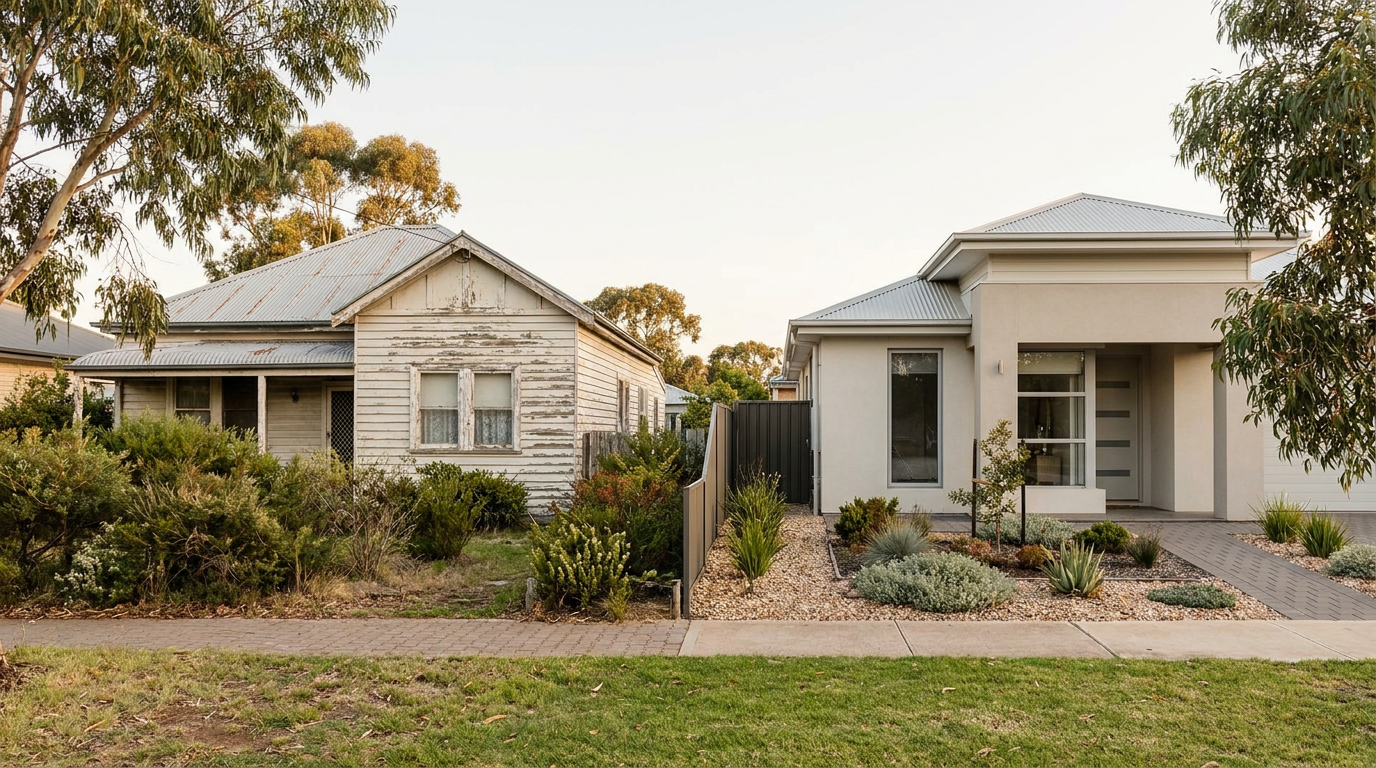
Old house or new build: the short answer
For many investors, a new build is often the better fit. The main reasons are tax depreciation, lower maintenance in the early years and steady tenant interest in modern homes.
The right choice still depends on your goals. It matters whether you are chasing long-term capital growth through land value, steady cash flow, or both. It also matters how much time you have to manage repairs and what your budget allows.
In this article, "old house" means an established, older home. "New build" means a newly built house, whether that is a house and land package, a completed new home or a knockdown rebuild on an old block.
This is general information only, not financial or tax advice. Speak to an accountant and a financial adviser about your own situation before you buy.
Why new builds often suit investors
A new home can take a lot of the hassle and uncertainty out of being a landlord. Here are the advantages that tend to make new builds attractive as rental properties.
Depreciation and tax deductions
Investors may be able to claim depreciation on a rental property in two ways:
- Capital works: the cost of the building itself, such as the structure, walls and roof.
- Plant and equipment: items like ovens, dishwashers, hot water systems, air conditioners and carpets.
In a new property, everything is brand new, so both types of claim may be available. For second-hand residential property bought after rule changes in recent years, deductions on previously used plant and equipment are generally limited. That usually makes a new build more favourable for depreciation claims.
The usual way to work out what you can claim is a depreciation schedule prepared by a quantity surveyor. Rules and eligibility can change, so confirm the current position with a registered tax agent or the ATO before relying on any deduction.
Lower maintenance and repair costs
New homes usually need fewer repairs in the early years. The roof, plumbing, wiring and appliances are all new, so there is less to wear out.
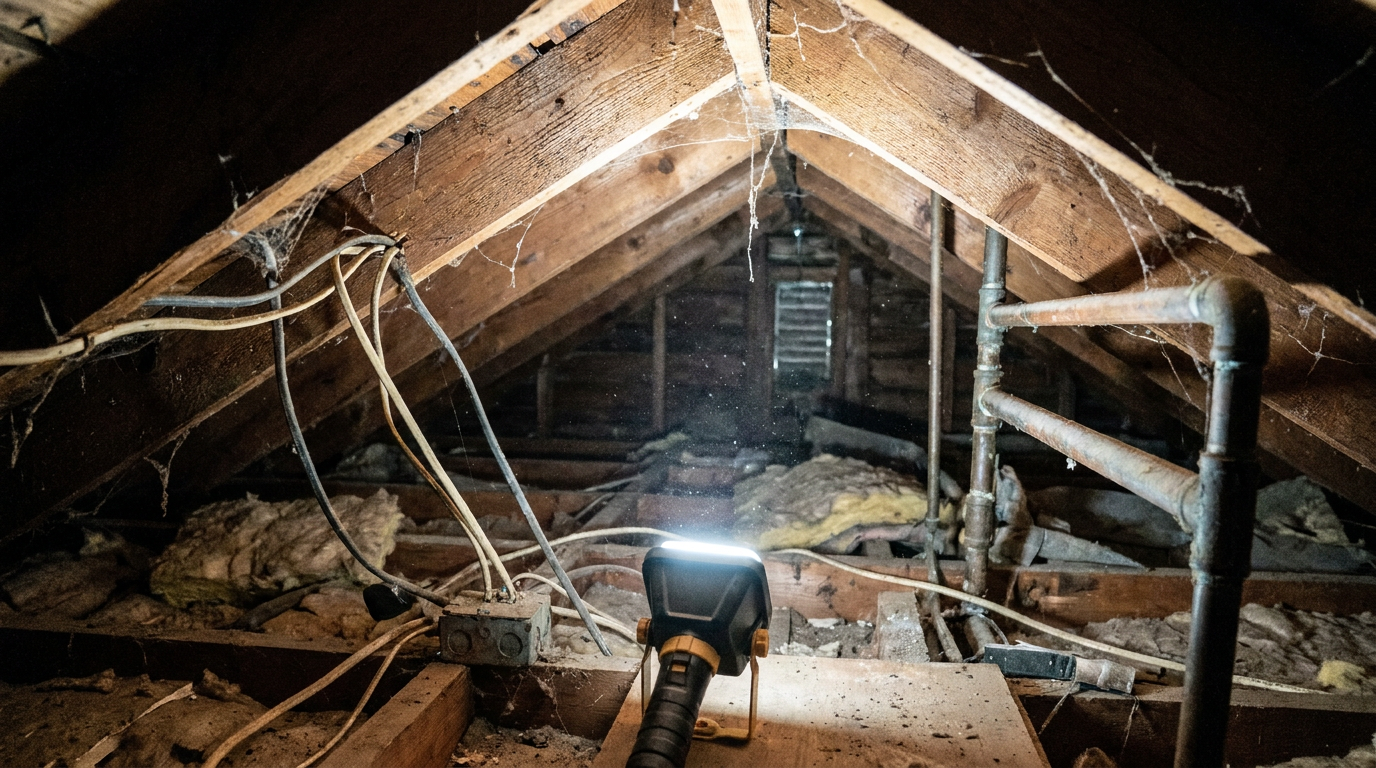
Older houses can bring unexpected costs. Common examples include:
- rewiring outdated electrical systems
- replacing old plumbing
- restumping or fixing uneven floors
- roof repairs or replacement
- pest damage, including termites
Fewer repair call-outs can mean less time and stress for you as a landlord and fewer disruptions for your tenants.
Builder warranties and home warranty insurance
New homes generally come with statutory builder warranties that cover defects. In most states, there are also home warranty or domestic building insurance requirements that can help protect owners if something goes wrong.
Coverage periods and rules differ between states and territories, so check what applies where you are buying.
Established homes are usually bought as is. That makes independent building and pest inspections essential before you commit.
Tenant appeal and energy efficiency
Modern layouts, open-plan living, built-in storage and current fittings often appeal to tenants. Many renters look for a home that feels fresh and easy to live in.
Newer homes are generally built to more recent energy efficiency standards. That can mean lower heating and cooling costs for tenants, which is a selling point when they compare properties.
A well-presented modern home may help you attract tenants and reduce vacancy. Demand always depends on location and local rental conditions, though, so research the area as well as the house.
Possible government incentives
Some states and territories offer stamp duty concessions or other incentives aimed at new homes or off-the-plan purchases. Many of these target owner-occupiers rather than investors, so do not assume you qualify. Check your state revenue office for current rules and eligibility.
Foreign buyer rules in Australia also generally favour new dwellings over established ones. If this applies to you, verify the current position with the relevant authority.
Where an old house can still make sense
An old house is not automatically the wrong choice. There are good reasons some investors prefer them.
- Land value: Established suburbs closer to city centres often have a higher land component, which many investors see as a driver of long-term growth.
- Purchase price: An old house may be cheaper to buy than a new one in the same area.
- Added potential: Some older homes offer renovation or subdivision opportunities.
- Character: Period and character homes can attract a certain type of tenant.
The trade-off is more maintenance, fewer depreciation benefits and more of your time spent managing the property.
Risks to check before buying a new build
A new build has clear advantages, but it pays to go in with your eyes open.
- Price premium: New builds can cost more than comparable established homes. Compare recent sales nearby before you decide what is fair.
- Land size and location: Some new estates are on smaller blocks or further from services, schools and transport.
- Oversupply: Many similar new homes in one estate can increase competition for tenants and affect resale.
- Builder risk: Research the builder's licence, track record and financial standing. Make sure you understand how progress payments work.
- Timelines and variations: House and land packages can face construction delays and contract variations that add cost. Read the contract carefully.
Knockdown rebuild: a middle option
Buying an old house on a good block and replacing it with a new home can combine an established location with the benefits of a new build. You get the land in a suburb you like, plus a modern home that may suit tenants and depreciation claims.
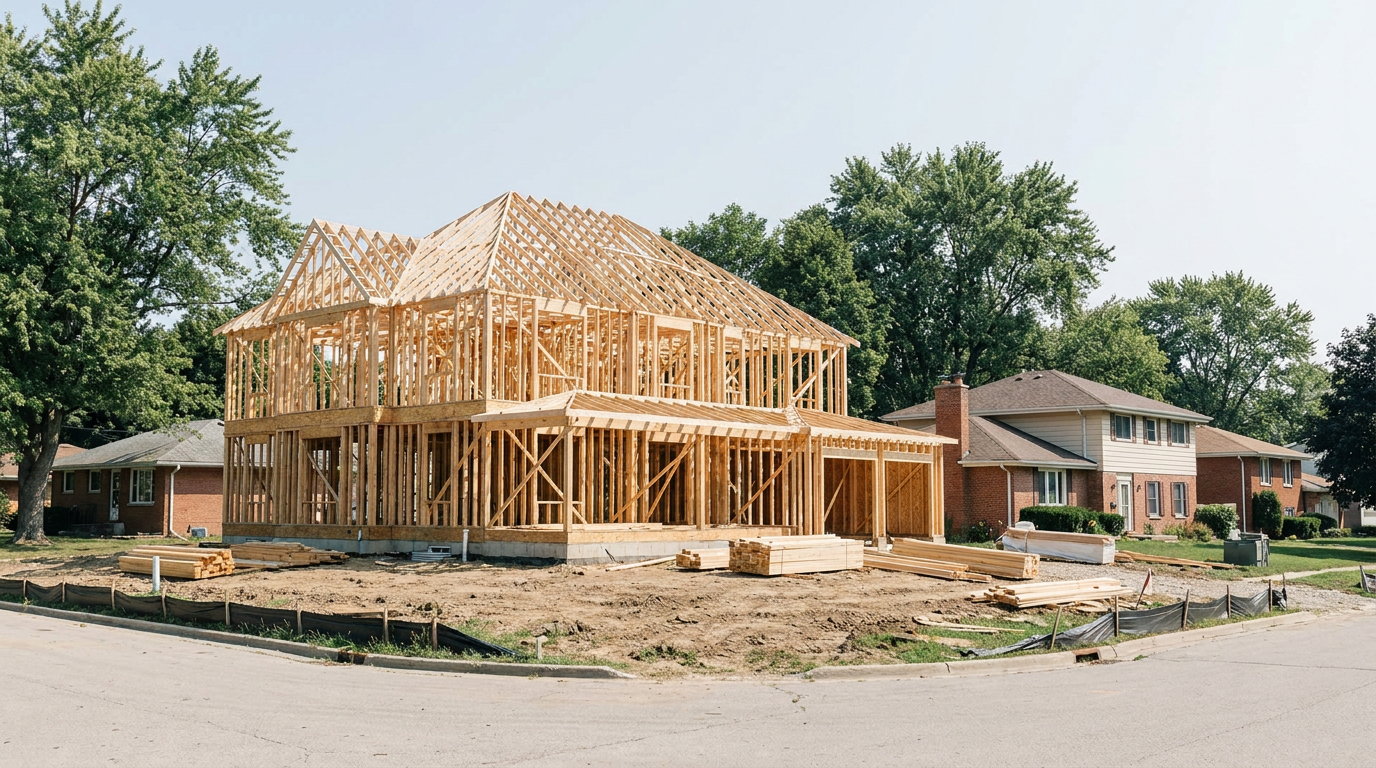
There is more to plan for, including:
- council approvals and any planning restrictions
- demolition costs
- holding costs, with no rental income while the home is being built
- finance arrangements, such as a construction loan
Get professional advice and builder quotes before committing so you understand the full cost and timeframe.
How to decide which suits your investment goals
Start by working through these questions:
- Your goal: Are you after capital growth, cash flow or a mix of both?
- Budget and borrowing capacity: What can you comfortably afford, including buffers for unexpected costs?
- Time: How much time can you give to repairs and managing the property?
- Tax position: How might depreciation fit with your overall finances?
- Location: Which areas have the rental demand you want?
Then take these steps:
- Talk to an accountant, a mortgage broker and a financial adviser.
- Research rental demand and vacancy rates in the areas you are considering.
- For an old house, get independent building and pest inspections. For a new build, check the builder's credentials and the contract.
If you want low upkeep, strong depreciation potential and modern appeal for tenants, a new build is often worth serious consideration. Weigh it against your goals, the location and the risks, and get advice tailored to you before you buy.
Frequently asked questions
Is a new build or an old house better for depreciation?
A new build usually offers more depreciation potential, because both the building and the brand-new plant and equipment may be claimable. Deductions on previously used plant and equipment in second-hand residential property are generally limited. Confirm your eligibility with a registered tax agent or the ATO.
Do new builds hold their value as well as older homes?
It depends on location, land size and local supply. Older homes in established suburbs often have a higher land component, which many investors link to long-term growth. New homes in estates with lots of similar stock can face more resale competition, so research the area carefully.
Are there stamp duty savings for investors buying new homes?
Some states and territories offer stamp duty concessions or incentives for new or off-the-plan homes, but many are aimed at owner-occupiers rather than investors. Check your state revenue office for current rules and eligibility.
What should I check before buying an older house as an investment?
Get independent building and pest inspections, and look closely at the wiring, plumbing, roof, stumps and any signs of termite damage. Factor likely repair costs into your budget and compare recent sales in the area.
Is a knockdown rebuild a good option for investors?
It can be, as it combines an established location with a new home. Consider council approvals, demolition costs, holding costs with no rent during construction and construction loan arrangements. Get professional advice and quotes before committing.