Property Guide helps everyday Australians take a confident first step into property investment — with clear guidance and reputable specialists, minus the pressure and sales spin.
Independent guidance for Australians ready to grow their wealth.
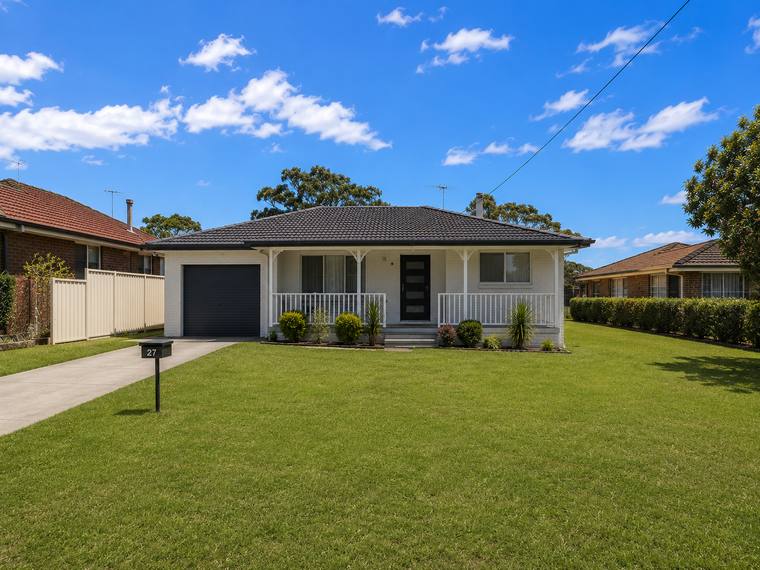
4 bed family home · Logan, QLD · guide $680k
Talk to a property specialist
A few quick questions and we'll match you with a vetted specialist. Takes about 60 seconds.
For property investors.Not for buying a home to live in.
Excellent
TrustScore 4.8|128 reviews
Trustpilot
As Featured In:
★★★★★ 4.9/5 from 100+ reviews
No credit checkYour details stay privateNo obligation
Form closed. Nothing was sent and no details were saved.
🔒 Your information is encrypted. We only share it with the specialist matched to you.
2,500+
Investors guided
40+
Vetted specialist partners
8
States & territories covered
$0
Cost to you, ever
Why property
Why Australians build wealth with property
For generations, residential property has been one of the most accessible ways for everyday Australians to grow long-term wealth. Here's why so many investors start here.
Long-term growth
Well-selected property has historically appreciated over time, helping investors build equity they can reinvest.
Rental income
A tenanted investment can generate ongoing income that helps offset your holding costs while you hold.
Potential tax benefits
Depending on your circumstances, property investors may access deductions and other tax advantages.
A tangible asset
Unlike some investments, property is something real you can see, understand, and hold for the long term.
Properties
The kind of homes we help you explore
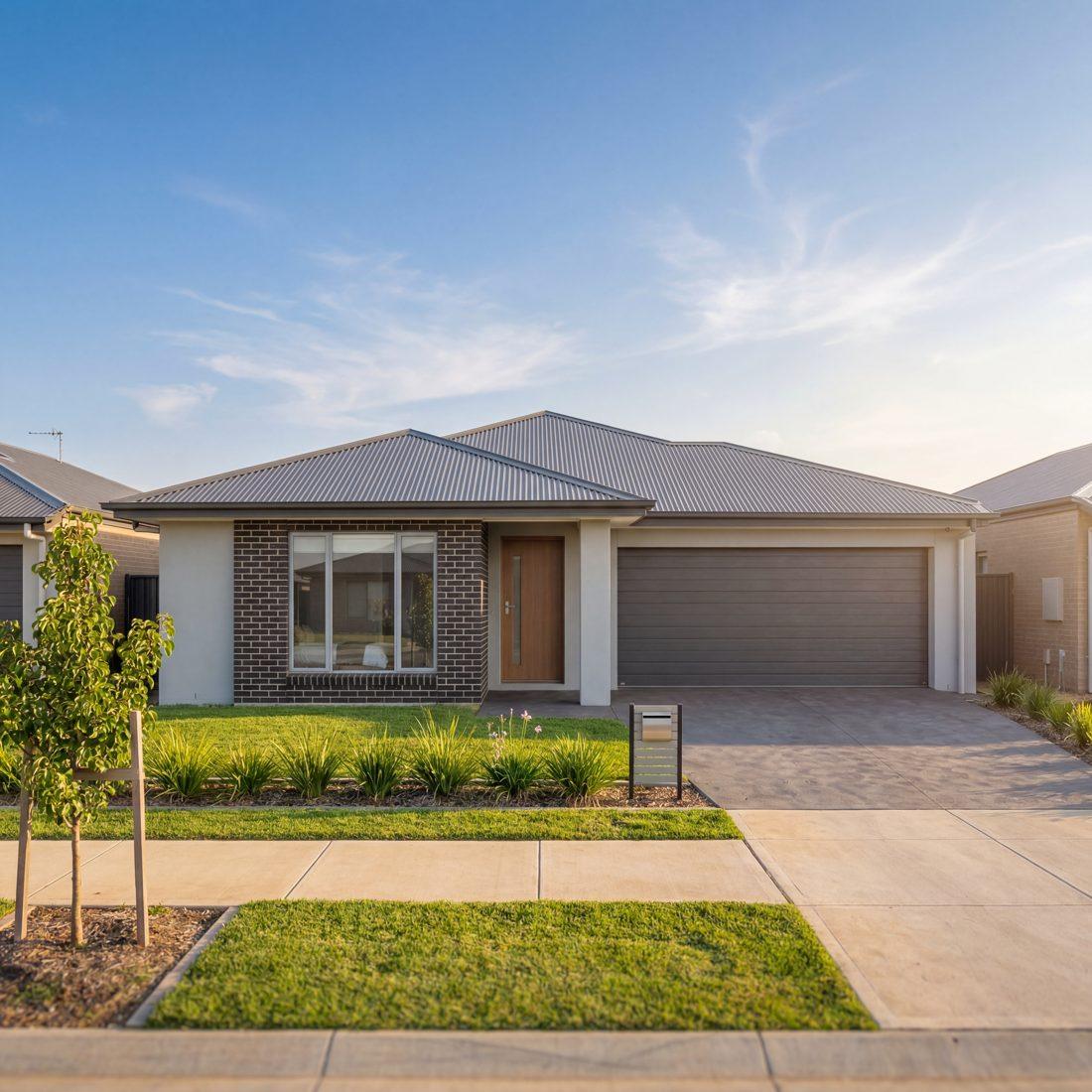
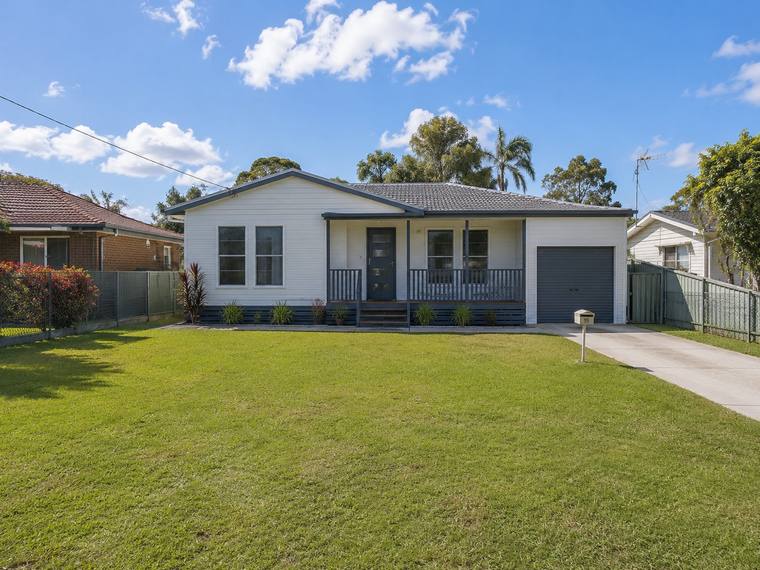
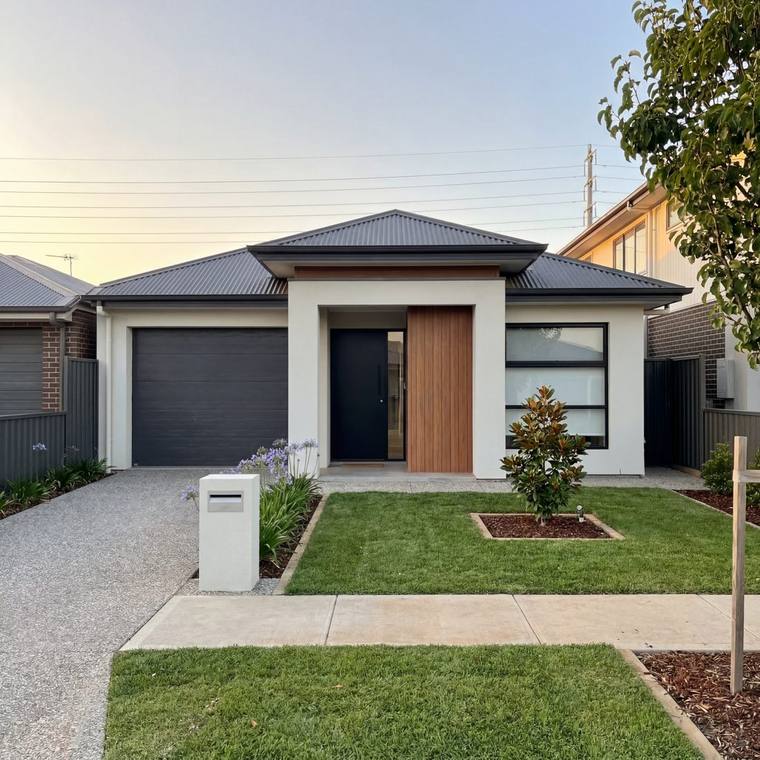
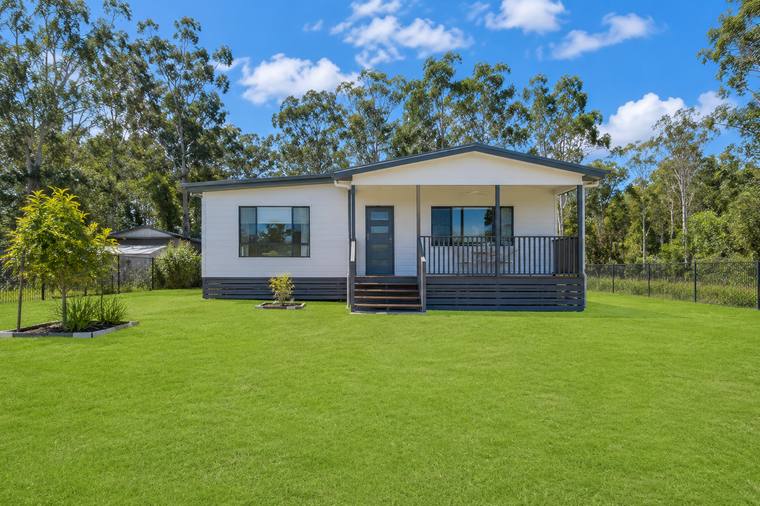
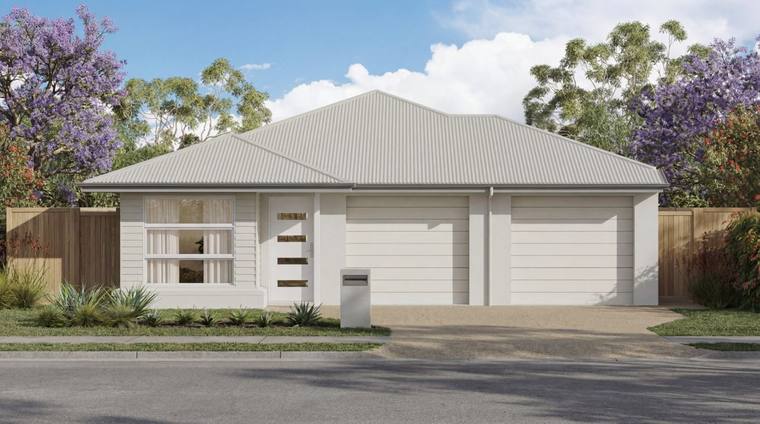
Realistic, affordable investment homes — typically 3–4 bedroom houses in the $500k–$800k range, across Australia's growth suburbs.
4 bed · 2 bathBlacktown, NSW · guide $790k4 bed · house & landTarneit, VIC · guide $640k4 bed · contemporaryIpswich, QLD · guide $720k3 bed · coastalNewcastle, NSW · guide $780k3 bed · single-storeyElizabeth, SA · guide $520k4 bed · modern buildBaldivis, WA · guide $650k
Images and figures shown are for illustration.
How it works
Three simple steps
We make property investment easy to understand — no jargon, no pressure, just a clear path forward.
Explore your options
Learn what's possible for someone in your position, and the kinds of properties that suit your goals.
Connect with specialists
We point you toward reputable, vetted property investment specialists suited to your goals and location.
Move forward with confidence
Get guidance built around your budget, timeline, and comfort level — and take the next step when you're ready.
Why Property Guide
A guide on your side — not a sales pitch
There's no shortage of people wanting to sell you property. Property Guide exists to help you find the right people, ask the right questions, and move forward with confidence.
We connect you with established specialists — not cold-callers or fly-by-night operators.
Free to you
Our guidance costs you nothing. You're never charged to explore your options.
Tailored, not templated
Your goals and situation come first. No one-size-fits-all packages pushed on you.
Zero pressure
Explore at your own pace. If the timing isn't right, that's a perfectly good answer too.
Where people start
Find the one that looks like you
Five positions we see over and over. Working out which is closest to yours is the fastest way to make your call useful.
Equity, first property
The starting point most people on this page are at — equity sitting in the home they live in, and no idea it was already enough to buy with. Note the line about paying less tax; that’s usually the second surprise, not the first.
Two normal incomes, second property
$75k and $95k, three years in, second property done and the next one in sight. If you’ve been assuming this needs a big single income behind it, this is the scenario worth looking at twice.
Started young
Second property at 27, with the equity coming out of the build rather than out of savings. Worth asking your specialist how a signing-to-handover gap creates equity before the keys ever change hands.
Four in, home paid off
Further down the road. Four properties, the family home cleared, and a tax position doing some of the lifting over a decade rather than in a single year.
Twelve years in
Eight properties, and the goal stated as a retirement date rather than a portfolio size. Nobody starts here — every one of these began at the first tile.
Illustrative advertising, not client testimonials. Individual results vary and past performance is not an indicator of future performance. Property values can fall as well as rise, and what is achievable for you depends entirely on your own circumstances, borrowing capacity and the lending conditions at the time.
Your toolkit
Run your own numbers
Free tools, no sign-up, nothing sent anywhere. Work out where you stand before anyone calls you.
Rough is fine
$
Your loan balance
$
Still owing Usable equity The 20% lenders keep back
Equity on paper$400,000Value minus what you owe. The number most people quote.
Usable equity$240,00080% of value, minus what you owe. The number lenders work from.
Equity is only half the question — borrowing capacity is the other half, and it's the one that decides what you can actually do with this. That's the call.
An estimate, not an offer or a valuation. Lenders assess your property, your income and your commitments individually, some will lend above 80% with Lenders Mortgage Insurance, and policy differs between them. General information only — not financial or credit advice.
The loan you want gone
$
Bought now, held together
properties
80% loan on each
$
Per week
$
Your assumption, not our forecast
% a year
Sets the CGT rate — 32%
$
Property typeTax rules changed in 2026
How long you hold
yrs
Portfolio worth$0At the year you sell.
Sell0To clear the debt.
You keep0Owned outright.
Home loan$0Cleared from the sale proceeds.
Income from what's left$0A year, debt-free, in that year's money.
Not a forecast or a promise. The growth rate is one you selected. Assumes interest-only 80% loans held at a fixed rate, rent rising 3% a year, selling costs of 2.5%, and capital gains tax under the rules that apply from 1 July 2027: on an established property, the gain above inflation (2.5% a year assumed) at your marginal rate with a 30% minimum; on a new build, whichever of that or the 50% discount costs less. It ignores the small part of any gain made before 1 July 2027 — CGT in particular depends on how the property is owned and your income in the year you sell, and the definition of a new build that keeps the 50% discount is still being finalised. It ignores land tax, vacancy, capital works and what your own home is worth. Selling is a taxable event and the tax can be large. General information only, and not financial, credit or tax advice — see a registered tax agent and a licensed adviser before planning around any of it.
Property typeTax rules changed in 2026
What you'd borrow
$
Investor rates run higher
%
Per week
$
Per year — rates, insurance, management, repairs
$
Per year — from a quantity surveyor's schedule, if you have one
$
Sets your marginal rate — 32%
$
Out of pocket$0Per week, before tax.
Tax reduction$0Per year, at your marginal rate.
Real cost$0Per week, after the tax comes back.
This is all negative gearing is: the shortfall between rent and costs reduces your taxable income, so some of it comes back at your marginal rate. It reduces the cost of holding the property — it is not a return on its own.
Illustration only, and not tax advice. Your Property Guide is not a registered tax agent. For an established property bought after 7:30pm on 12 May 2026, a rental loss can no longer reduce tax on other income from 1 July 2027 — it carries forward instead. New builds keep the old treatment; the exact definition of a new build is still being finalised. Real deductibility depends on the property, how it is held and owned, and rules that change — second-hand plant and equipment in established residential property has not been deductible for investors since 2017, and depreciation must come from a quantity surveyor, not an estimate. The tax back is approximated at your top marginal rate; a loss straddling brackets works out differently. Have any figure here checked by a registered tax agent before you rely on it.
Property typeTax rules changed in 2026
Deposit and costs: $162,500
$
Interest only, 80% loan
%
Per week
$
Your assumption, not our forecast
% a year
Marginal rate — 32%
$
Years held
yrs
Property worth$0At the end.
Your equity$0Value less the loan.
Tax saved$0Added up over the whole hold.
Cash in$0Deposit and costs up front, plus every year's shortfall after tax.
Ahead by$0Equity less every dollar you put in.
Year
Value
Equity
Rent/wk
Out of pocket
Tax effect
Not a forecast or a promise. The growth rate is one you selected, not one we are predicting. Assumes an interest-only 80% loan held at a fixed rate for the whole period, rent and running costs both rising 3% a year, and running costs at 1.2% of the purchase price — none of which a real twenty years does. It ignores vacancy, capital works, depreciation, selling costs, land tax and capital gains tax. Tax: rental profit is taxed at your marginal rate; a new build's losses reduce tax on your other income, while an established property's losses are carried forward, applied here from year one although the 2027 rule only starts from 1 July 2027. The "buy again" year is an equity test only — having the deposit is not the same as a lender approving the loan, and borrowing capacity is usually the binding constraint. Property values fall as well as rise. General information only, and not financial, credit or tax advice.
Per year, in today's money
$
What one costs
$
After costs, before tax
%
Portfolio needed$0Owned outright.
Properties0At that average value.
Rent per week$0Across the whole portfolio.
The number that surprises people is not the properties — it is that they need to be owned outright for the rent to be income rather than a repayment. Getting there is what the twenty-year plan is for.
A rule-of-thumb illustration assuming a debt-free portfolio, a constant net yield, and today's money with no inflation adjustment. It ignores tax on rental income, vacancy, capital works and the age pension. Not financial or retirement advice — see a licensed financial adviser before planning around it.
Worth ten minutes
Four things worth understanding before you talk to anyone
Not a sales pitch. This is the groundwork most people are missing, and knowing it changes the questions you'll think to ask.
Most people work out their equity as "what it's worth minus what I owe". Lenders don't. They generally cap the borrowing at around 80% of the property's value, then subtract your existing loan — and what's left is your usable equity.
So on a home worth $800,000 with $400,000 still owing, the gap is $400,000, but the usable figure is closer to $240,000: 80% of $800,000 is $640,000, less the $400,000 you already owe.
You can sometimes go past 80%, but that generally means paying Lenders Mortgage Insurance, which can run into the tens of thousands and is not refundable. Whether that's worth it depends on what the extra borrowing lets you do — sometimes it is.
Ask on your call: "What's my usable equity at 80%, and what changes if I go above it?" The two answers together tell you the real size of your options.
Having a deposit is only half of it. The other half is whether a lender believes you can service the loan — and they don't test that at the actual interest rate.
Australian lenders are required to assess you at a buffer above the rate you'd really pay (a minimum of three percentage points, under APRA's guidance). So a loan advertised at 6% is typically stress-tested at 9% or more. That single rule is the reason people who comfortably afford their repayments still get knocked back.
The things that surprise people most:
Credit card limits count in full — a $20,000 limit is assessed as though it's drawn, even if the balance is zero. Reducing or closing unused cards is often the fastest win available to you.
HECS/HELP repayments count as an ongoing commitment while the balance is outstanding.
Rental income gets shaded — lenders usually only count a portion of expected rent, not all of it, to allow for vacancy and costs.
Buy-now-pay-later and car finance show up too, and hurt more than their size suggests.
Do this before the call: add up your credit card limits (not balances) and your other monthly commitments. It's the number that most often moves what's possible.
Rentvesting means renting where you want to live and buying an investment property somewhere you can actually afford. It's become common for a simple reason: in most capital cities the suburbs people want to live in are no longer the suburbs where the investment numbers work.
It's a real strategy, not a trick, and it comes with real trade-offs you should hear about before you commit:
An investment property generally doesn't get the main-residence capital gains tax exemption, so tax on any eventual gain is a live consideration.
Land tax may apply depending on the state and the value of what you hold — the thresholds differ a lot between states.
You're still paying rent, so the sums only work if the rent you pay plus the shortfall on the investment is genuinely sustainable for you.
Most first-home buyer concessions are tied to living in the property, so buying an investment first can affect what you're eligible for later.
Ask on your call: "Run it both ways for me — buying to live in versus rentvesting." If the answer is only ever one of those, keep asking.
The deposit gets all the attention and then the settlement statement arrives. Budget for these as well:
Stamp duty — set by each state and territory, and the biggest single extra. It varies enormously by state and price bracket, and investors generally don't get the concessions first-home buyers do. Your state revenue office publishes a calculator; use it on a realistic price before your call.
Lenders Mortgage Insurance — usually triggered if you're borrowing more than 80% of the value. It protects the lender, not you.
Conveyancing and legals — typically a four-figure sum.
Building and pest inspection — a few hundred dollars, and the cheapest insurance you will ever buy.
Loan application, valuation and settlement fees — small individually, not small together.
A cash buffer after settlement — for vacancy, repairs, and rate movements. Going in with nothing left is how good purchases turn into forced sales.
As a rough planning figure, many buyers allow around 5% of the purchase price for costs on top of the deposit, then check it properly against their own state's stamp duty rates.
Ask on your call: "What's the all-in cash figure to settle, including the buffer?" A specialist who only quotes you the deposit hasn't answered the question.
General information only. None of the above takes into account your personal objectives, financial situation or needs, and it is not financial, credit, tax or legal advice. Rates, thresholds, lending policy and state duties change — confirm anything here against current figures and your own professional advisers before you act on it.
Questions
Frequently asked
Yes. Our guidance is completely free. We help you understand your options and connect with reputable property investment specialists, with no cost or obligation on your side.
We work with a network of established, reputable property investment specialists across Australia, and aim to match you with a partner suited to your goals, budget, and location.
Not at all. Exploring your options is about understanding what's possible. There's never any obligation to proceed, and you move entirely at your own pace.
No. Property Guide provides general information and connects you with specialists. We don't provide personal financial, tax, or investment advice. Always seek independent, licensed advice before making a decision.
Follow the journey
See the latest property insights and updates from Property Guide over on Facebook.