Blog
How to Buy an Investment Property in Australia: A Practical Step-by-Step Guide

What is the best way to buy an investment property?
The best way to buy an investment property is to start with your goal and your borrowing position, not the property itself. Work out what you want the investment to do, find out what you can realistically afford and borrow, then research areas and properties that fit that plan. Plan, then finance, then research, then buy.
This guide walks through each step: setting your goal, working out your budget, the common ways to finance a purchase, choosing a location and property, deciding whether to use a buyer's agent, making an offer and settling, and the mistakes to avoid.
The right approach depends on your income, existing debt, time frame and appetite for risk. This is general information, not personal financial advice, so check the details of your situation with a licensed professional.
Decide what you want the property to do
Most investors are aiming for one or both of two things:
- Rental income (yield): the rent the property brings in compared with what it cost.
- Capital growth: an increase in the property's value over the long term.
Properties often lean one way more than the other. A property with stronger rent relative to its price may have less growth potential, and the reverse can also be true. Neither outcome is certain.
It also helps to understand cash flow. A property has positive cash flow (often called positively geared) when the rent covers the loan repayments and running costs with money left over. It has negative cash flow (negatively geared) when the costs are higher than the rent and you cover the shortfall from your own income. How losses are treated for tax depends on your circumstances and the rules at the time, so talk to an accountant rather than counting on a tax benefit.
Before you look at listings, answer these questions:
- How long do you plan to hold the property?
- If there's a shortfall, how much could you comfortably cover each month?
- How would a period of vacancy, or a rise in interest rates, affect your budget?
Work out your budget and borrowing power
Your real budget comes from three things together: your deposit or usable equity, how much a lender will let you borrow, and the upfront costs of buying.

Upfront costs to allow for:
- Stamp duty (this varies by state and territory)
- Lenders mortgage insurance, if your deposit is small
- Legal or conveyancing fees
- Building and pest inspections
- Loan application and establishment fees
Ongoing costs to allow for:
- Loan repayments
- Council and water rates
- Strata levies, if the property is a unit or apartment
- Landlord insurance
- Property management fees
- Maintenance and repairs
- Land tax, depending on the state and your land holdings
Speak with a mortgage broker or lender about a pre-approval before you start searching, so you know your price range. Check the current stamp duty rules, and any land tax thresholds, on your state or territory revenue office website, as they can change.
Ways to finance an investment property
There's no single right way to fund a purchase. Each option below suits some people and not others, depending on their finances and goals.
Using equity in your home
Equity is, in general terms, the difference between what your home is worth and what you still owe on it. Lenders usually set a limit on how much of that equity you can access, based on a valuation and your ability to repay. Using equity can mean you need less cash upfront, but it also increases the debt secured against your own home. If repayments become hard to manage, your home is exposed, so weigh this carefully.
A standard investment loan with a cash deposit
Many investors save a deposit and take out an investment loan. You'll usually choose between interest-only repayments, which keep repayments lower for a set period but don't reduce the loan, and principal and interest, which pays down the debt over time. Investment loan rates and lending rules can differ from owner-occupier loans, so compare carefully.
Buying with a partner, family or friends
Pooling resources with others can make a purchase possible sooner. Co-owners can hold property in different ways, such as joint tenants or tenants in common, which affects what happens if one owner wants to sell or dies. Put a written agreement in place covering contributions, costs and how each person could exit, and get legal advice before you sign anything.
Buying through a trust or company structure
Some investors consider buying through a trust or company. These structures affect tax, lending options and running costs, so they're not a decision to make on your own. Get accounting and legal advice before going down this path.
How to choose the right location and property
Careful research matters more than gut feeling.
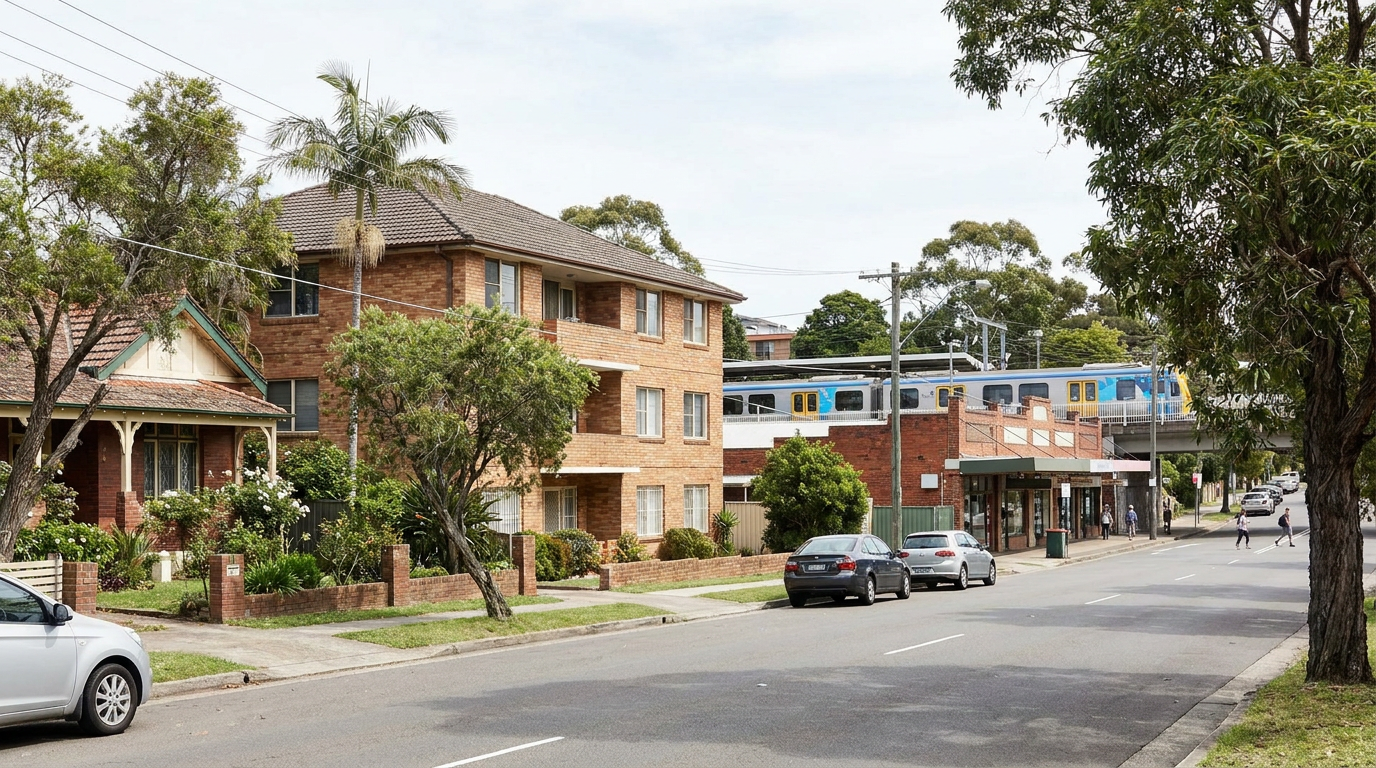
Location factors to look at:
- Access to public transport, schools, shops and jobs
- Planned infrastructure, such as new roads, rail lines or hospitals
- The local supply of new housing, since a lot of new stock can affect rents and values
Rental demand signals to check:
- Vacancy rates in the suburb
- How long rental listings stay on the market
- Typical rents for similar properties nearby
You can find this information on property data websites and rental listing sites, and by speaking with local property managers, who often know what tenants are asking for.
Property type trade-offs:
- Houses generally come with more land, which some investors see as a driver of long-term value, but they can need more maintenance.
- Units and apartments can be cheaper to buy and may need less upkeep, but strata levies apply and building rules limit what you can change.
- New properties may offer larger depreciation deductions and fewer early repairs, while established properties are often in settled areas with a rental history. Ask a quantity surveyor or accountant about depreciation for a specific property.
Think about tenant appeal too. Parking, outdoor space, storage, heating and cooling, or being close to transport can matter to renters, depending on the area.
Finally, avoid buying on emotion. A place you'd love to live in isn't necessarily one that suits your strategy or the local rental market.
Should you use a buyer's agent?
A buyer's agent works for you, not the seller. They can search for properties, appraise value, negotiate on price and bid on your behalf at auction.
Using one might suit you if you're short on time, buying interstate or unfamiliar with a market.
Before engaging one, check:
- They hold the licence required in your state or territory
- How they're paid, for example a fixed fee or a percentage of the price
- Whether they receive any payments from sellers or developers
- Exactly what's included in their service
Plenty of investors buy without one. Doing it yourself takes time to research suburbs, inspect properties, check recent sales and negotiate, but it's a common approach for buyers who prepare well.
Making an offer and settling
Properties are usually sold by private treaty (you make an offer and negotiate) or at auction. The conditions differ. Auction purchases usually have no cooling-off period and no finance or inspection conditions, so those need to be sorted beforehand. Rules vary by state and territory, so check what applies where you're buying.
Due diligence before signing:
- Have a conveyancer or solicitor review the contract
- Get a building and pest inspection
- For units, review the strata reports, including finances and any planned works
- Check the zoning, and any existing lease if the property is already tenanted
Next, move from pre-approval to unconditional (formal) loan approval. Pre-approval isn't a final approval, so on a private treaty sale, ask your conveyancer about including a finance condition.
Before settlement, arrange landlord insurance and choose a property manager if you're not managing the property yourself, so it can be advertised for rent soon after it's yours. Your conveyancer and lender handle the settlement process, after which ownership transfers to you.
Common mistakes to avoid when buying an investment property
- Underestimating ongoing costs: leave a buffer for vacancies, repairs and rate changes.
- Skipping inspections or contract review: saving a little upfront can cost far more later.
- Overextending your borrowing: the amount a lender approves isn't necessarily an amount you'll find comfortable.
- Relying on tax benefits: the numbers should make sense without them.
- Buying from high-pressure sales pitches: be cautious with 'off the plan' deals or packaged offers, and do your own research and get independent advice first.
Your next steps
A quick checklist before you buy an investment property:
- Set your goal and time frame.
- Check your borrowing power and get pre-approval.
- Budget for upfront and ongoing costs, with a buffer.
- Research areas and rental demand.
- Line up your professionals.
- Do your due diligence before you sign.
Before committing, speak with a licensed mortgage broker, an accountant and a conveyancer or solicitor. Buying an investment property is a big decision, but taking it one step at a time puts you in a better position to make a choice that suits your situation.
Frequently asked questions
How much deposit do I need to buy an investment property in Australia?
It depends on the lender, the loan and your circumstances. A smaller deposit usually means paying lenders mortgage insurance and may limit your options. A mortgage broker or lender can tell you what applies to you, and remember to budget for stamp duty and other upfront costs on top of the deposit.
Can I use the equity in my home to buy an investment property?
Often, yes. Lenders usually let you access part of the equity in your home, based on a valuation and your ability to repay. It can reduce the cash you need upfront, but it increases the debt secured against your home, so get advice before you proceed.
Is it better to buy a house or an apartment as an investment?
Neither is better in every case. Houses usually come with more land but can need more maintenance, while apartments can cost less to buy but carry strata levies and building rules. The right choice depends on your budget, goals and local rental demand.
What ongoing costs come with owning an investment property?
Common ongoing costs include loan repayments, council and water rates, strata levies for units, landlord insurance, property management fees, maintenance and, depending on your state and holdings, land tax. Leave a buffer for vacancies and interest rate changes too.
Do I need a buyer's agent to buy an investment property?
No. Many investors buy on their own. A buyer's agent may suit you if you're short on time or buying in an unfamiliar or interstate market. Check their licence, how they're paid and whether they receive payments from sellers or developers.